IPTV vs Cable TV: Which Is Better in 2026?
IPTV vs Cable TV: Which Is Better in 2026?
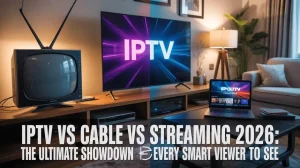
Introduction
The way people watch television has changed significantly in recent years. Traditional cable TV is still available in many homes, but internet-based streaming services have become increasingly popular.
One of the options people often consider is IPTV. But how does IPTV compare with traditional cable television?
In this guide, we’ll compare IPTV vs Cable TV based on flexibility, device compatibility, content, internet requirements, and overall viewing experience.

What Is IPTV?
IPTV stands for Internet Protocol Television. It delivers television content through an internet connection instead of traditional cable infrastructure.
Depending on the service, IPTV can provide access to:
- Live TV channels
- Movies
- TV series
- Sports
- Video-on-demand content
Users can watch IPTV through compatible devices and applications.
For more information, read our guide on What Is IPTV?

What Is Cable TV?
Cable TV is a traditional television service that delivers channels through a cable network.
Customers typically receive a set-top box or receiver and connect it to their television.
Cable TV commonly offers:
- Live television
- News
- Sports
- Entertainment
- Movies
- Premium channels
The available channels depend on the provider and subscription package.
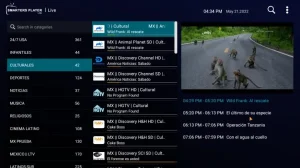
IPTV vs Cable TV: Main Differences
| Feature | IPTV | Cable TV |
|---|---|---|
| Delivery | Internet connection | Cable network |
| Device Flexibility | Multiple supported devices | Usually TV and provider equipment |
| Internet Required | Yes | Not always |
| On-Demand Content | Often available | Depends on provider |
| Setup | App-based setup | Provider installation |
| Mobility | Can work on supported devices | Generally tied to home service |
| Content Access | Depends on IPTV provider | Depends on cable package |
1. Flexibility
One of the biggest advantages of IPTV is flexibility.
With IPTV, users can often access their subscription through different compatible devices, including:
- Firestick
- Android TV
- Smart TVs
- Apple TV
- Windows computers
- Smartphones
- Tablets
Cable TV is generally designed around a traditional home television setup.
If you prefer watching content on different devices, IPTV may offer more flexibility.
2. Device Compatibility
IPTV can be used on many different platforms when the provider and IPTV player support them.
For example, you may be able to watch on a Smart TV at home and use a smartphone or tablet when traveling.
Cable TV typically relies on equipment supplied or supported by the cable provider.
The best option depends on how and where you prefer to watch television.
3. Content and Channels
Both IPTV and cable TV can offer a wide range of entertainment.
Cable providers usually organize channels into different packages.
IPTV services may offer live channels, on-demand movies, TV series, and sports depending on the provider.
The actual content available depends entirely on the specific service you choose.

4. Picture Quality
Both IPTV and cable TV can provide high-quality video.
IPTV may support HD, Full HD, and 4K streaming when the provider offers it and your internet connection and device can handle the required bandwidth.
Cable providers may also offer HD and 4K channels depending on their infrastructure and subscription packages.
The quality you experience depends on several factors, including your equipment and service provider.
5. Internet Requirements
This is one of the most important differences.
IPTV depends on your internet connection. If your internet is slow or unstable, you may experience buffering or interruptions.
Cable TV does not normally depend on your home internet connection to deliver traditional television channels.
If you choose IPTV, a stable and reliable internet connection is essential.
6. Ease of Setup
IPTV setup is usually based on installing a compatible application and entering your subscription credentials.
The process can vary depending on your device.
Cable TV generally requires equipment from the provider and, in some cases, professional installation.
For beginners, both options can be straightforward when following the provider’s instructions.
7. Watching TV While Traveling
IPTV can be more convenient for users who want to watch on supported mobile devices or computers while away from home.
However, access depends on your IPTV provider’s terms, your location, your internet connection, and device compatibility.
Traditional cable TV is generally designed for use at the location where the service is installed.
Which One Should You Choose?
The answer depends on your needs.
IPTV May Be Better If You:
- Prefer watching on multiple devices.
- Want flexible access to entertainment.
- Have a stable internet connection.
- Prefer app-based streaming.
- Want access to live TV and on-demand content.
Cable TV May Be Better If You:
- Prefer traditional television.
- Don’t want to depend on internet quality.
- Prefer a conventional TV setup.
- Want support directly from a local cable provider.
Is IPTV Better Than Cable TV?
There is no single answer for everyone.
IPTV offers flexibility and can work across many supported devices, while cable TV provides a more traditional viewing experience.
The right choice depends on your internet connection, preferred devices, budget, and the type of content you want to watch.
Before choosing any IPTV service, make sure it is legitimate and authorized to provide the content it offers.
Frequently Asked Questions
Is IPTV cheaper than Cable TV?
The cost depends on the provider and subscription plan. Compare the total price, available content, equipment costs, and any additional fees before making a decision.
Does IPTV require internet?
Yes. IPTV relies on an internet connection to deliver streaming content.
Can I watch IPTV on a Smart TV?
Yes. Many Smart TVs support IPTV through compatible applications, depending on the TV operating system and available apps.
Which has better picture quality?
Both IPTV and cable TV can provide high-quality video. The actual quality depends on the provider, equipment, connection, and available content.
Can I use IPTV on multiple devices?
Some IPTV services support multiple devices, but the number of simultaneous connections depends on the provider and subscription terms.
Conclusion
When comparing IPTV vs Cable TV, both options have advantages and disadvantages.
IPTV is attractive to users who value flexibility, device compatibility, and internet-based streaming. Cable TV may be a better choice for people who prefer a traditional television experience and don’t want their TV viewing to depend on internet performance.
Before making a decision, compare the available services carefully and choose an option that fits your viewing habits, budget, and technical requirements.